Parents play a vital role in protecting their child's eyesight. Understand genetic and environmental risk factors. Correct vision and control abnormal eye elongation to prevent long-term vision-threatening complications.
Reading in low light conditions doesn't cause myopia to worsen. Optimizing indoor lighting with incandescent bulbs, taking breaks, and maximizing natural light can help manage myopia.
Some practical strategies for more outdoor time include planning outdoor activities, harnessing group power, setting time limits on screen time, making up additional time during weekends, and more.
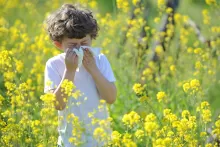
Seasonal allergies may lead to suboptimal myopia control. Consider allergy treatment options and helpful home practices. Consult healthcare professionals for personalized advice.
Encouraging children to spend more time outdoors, limiting screen time, taking eye breaks, ensuring proper lighting in study areas, and adhering to myopia control treatments can all help reduce the risk of myopia progression during spring.
An adaptive approach increases the likelihood of successfully stopping myopia progression in children. Learn more about a case of reduced lens power and stabilized eye axial length after 8 months.
Under-correcting myopia may increase the risk of myopia progression in children. Discover the history of under-correction for myopia control and what medical experts recommend today.